Highway Haulers

A blog focused on truck operations, maintenance, and freight logistics. Offers practical guides and technical insights for drivers, fleet owners, and mechanics.

Frequently Asked Questions

  • How often should I perform a pre-trip inspection?
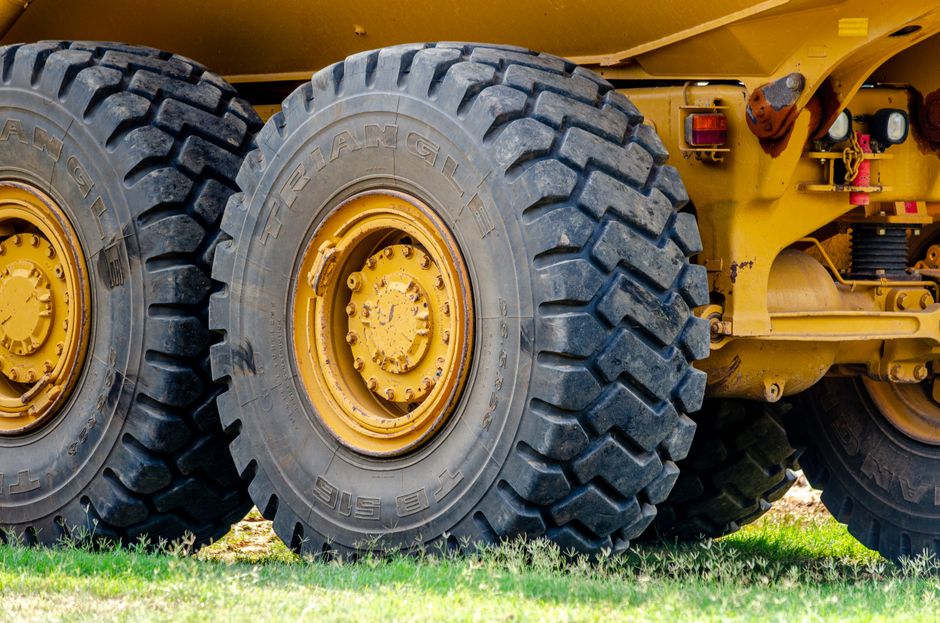
    A pre-trip inspection is typically recommended before each trip. It helps identify potential issues early. The process involves checking tires, brakes, lights, and fluid levels.
  • What is the recommended oil change interval for heavy-duty trucks?
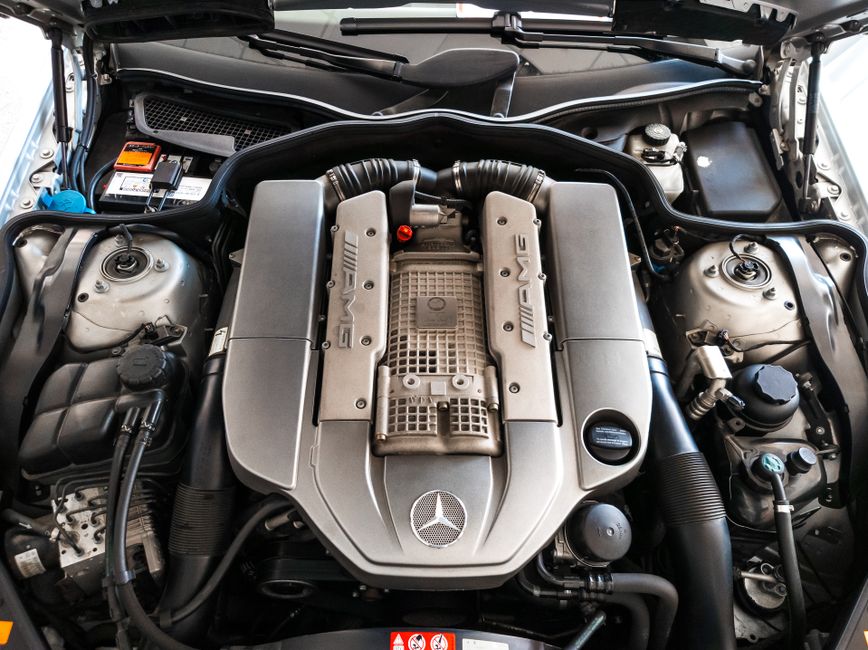
    Oil change intervals vary based on engine type, oil quality, and operating conditions. Consult the manufacturer's guidelines. Many fleets schedule changes every 15,000 to 30,000 miles.
  • How can I improve fuel efficiency in my truck?
    Fuel efficiency can be influenced by driving habits, vehicle maintenance, and load distribution. Regular tire pressure checks, reducing idling, and maintaining optimal speeds may contribute to better mileage.
  • What are the key factors in load securement?
    Proper load securement involves using appropriate tie-downs, ensuring weight distribution is balanced, and checking that cargo is firmly attached. Regulations provide guidelines based on load type.
  • What should I include in a routine maintenance checklist?
    Routine maintenance often includes checking engine oil, coolant levels, belts, hoses, filters, brakes, and electrical systems. Regular inspections can help avoid unexpected breakdowns.

Understanding Preventive Maintenance

Preventive maintenance is a systematic approach to keeping trucks in safe and efficient working condition. It involves planned inspections, scheduled service, and regular replacement of wear-prone components. By following a structured schedule, fleet operators can reduce the likelihood of unexpected downtime and prolong vehicle lifespan.

Developing a Maintenance Schedule

A maintenance schedule is often built around mileage intervals or time-based periods. For instance, certain inspections may be recommended every 10,000 miles, while others align with seasonal changes. The schedule should be adaptable to the specific usage patterns of the fleet.

  • Engine oil and filter changes
  • Tire rotations and pressure checks
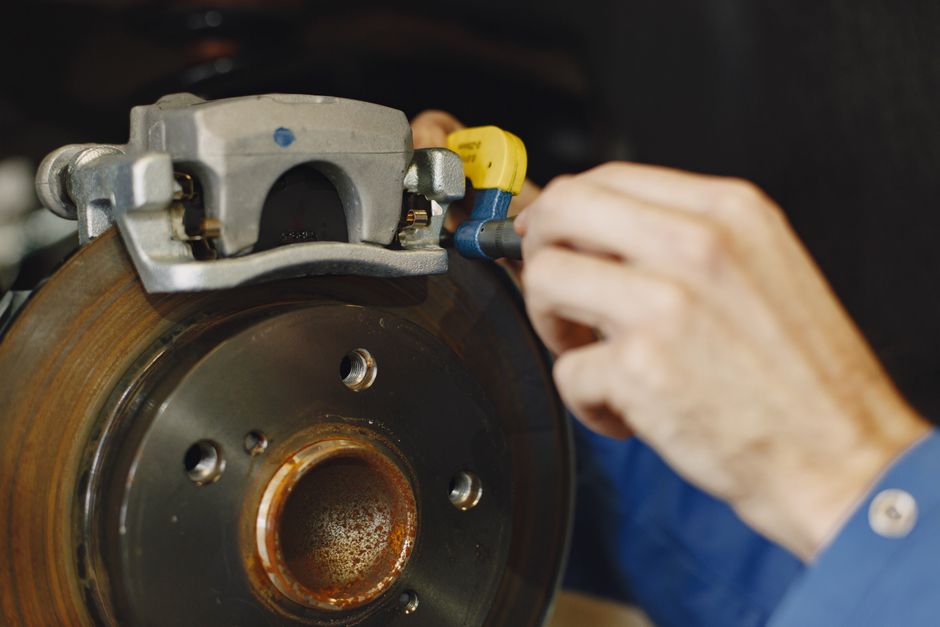
  • Brake system inspections
  • Fluid level checks (coolant, transmission, etc.)
  • Electrical system diagnostics

Regular documentation of maintenance activities can provide insights into recurring issues and help adjust future schedules accordingly. It is important to follow manufacturer recommendations and regulatory requirements.