Understanding Common Brake System Failures
Brake systems in heavy trucks are critical for safety and operational reliability. Understanding common failures is essential for fleet managers, drivers, and maintenance teams. This article provides an overview of typical brake issues affecting air and hydraulic systems, along with guidance on identifying warning signs and addressing them. The focus is on the processes and principles that underpin effective brake maintenance and troubleshooting.
Brake systems in heavy trucks are complex and subject to stress from heavy loads, frequent use, and varying road conditions. By examining the components and operational principles, one can better understand why failures occur and how to approach their resolution. The content that follows outlines common failure modes, diagnostic approaches, and repair considerations, all within a contextual framework.
Fundamentals of Brake Systems in Heavy Trucks
Heavy trucks typically employ either air brake systems or hydraulic brake systems, each with distinct components and operating principles. Air brakes are common in Class 8 trucks and trailers, utilizing compressed air to actuate the brakes. Hydraulic systems, often found in medium-duty trucks, use brake fluid to transfer pressure. Understanding these fundamentals is key to recognizing how failures manifest.
Air brake systems consist of a compressor, reservoirs, valves, brake chambers, and slack adjusters. The compressor builds air pressure, which is stored in reservoirs and distributed to the brake chambers when the brake pedal is pressed. The air pressure forces the chamber diaphragm, turning the slack adjuster and applying the brakes. Hydraulic systems, on the other hand, rely on a master cylinder to pressurize brake fluid, which then actuates calipers or wheel cylinders.
Each system has its own set of common failure points. For air brakes, issues often arise with air pressure maintenance, valve malfunction, or chamber diaphragm leaks. For hydraulic brakes, problems may involve fluid leaks, master cylinder failure, or air intrusion. By understanding the design and function, maintenance personnel can systematically diagnose and address issues.
Common Failures in Air Brake Systems
Air brake systems have several common failure modes that can compromise braking effectiveness. One frequent issue is air pressure loss, which can result from leaks in the air lines, faulty compressor, or malfunctioning valves. Warning signs include low pressure gauges, frequent compressor cycling, or audible leaks. Regular inspection of air lines and fittings is essential to detect and rectify leaks.
Brake chamber diaphragm leaks are another common problem. Over time, the diaphragm can crack or tear, causing air to escape and reducing braking force. Symptoms include a soft brake pedal or premature brake application at low pressure. Replacing the diaphragm is a standard repair, but it is crucial to use compatible parts and follow manufacturer procedures.
Slack adjuster problems also occur frequently. These devices maintain proper brake shoe-to-drum clearance. If they become loose or misadjusted, braking performance degrades. Automatic slack adjusters reduce maintenance but still require periodic inspection. Manual adjustment may be necessary if the brakes are out of spec.
Valve malfunctions, such as a faulty relay valve or check valve, can lead to slow brake application or release. These issues may cause the brakes to drag or fail to release fully, leading to overheating and reduced efficiency. Diagnosing valve issues often involves pressure testing and visual inspection.
Identifying Warning Signs in Air Brakes
Drivers should be attentive to warning signs that indicate potential air brake problems. Unusual hissing sounds, a brake pedal that feels spongy or goes to the floor, and vehicles pulling to one side during braking are all indicators. Dashboard warning lights and low-pressure buzzers are also critical alerts. Regular pre-trip inspections can catch issues early.
Maintenance teams should monitor brake stroke, which is the travel of the pushrod. Excessive stroke indicates misadjustment or wear. Measuring stroke during routine inspections helps identify slack adjuster issues. Also, checking the air dryers and ensuring they are not saturated can prevent moisture-related problems.
Common Failures in Hydraulic Brake Systems
Hydraulic systems in heavy trucks present different failure modes. Brake fluid leaks are a primary concern, as they can lead to a loss of pressure. Leaks may occur at the master cylinder, wheel cylinders, or in the lines. Warning signs include a soft brake pedal, visible fluid puddles, or a low fluid reservoir. Identifying the source requires careful inspection.
Master cylinder failure can result in insufficient pressure delivery. This may be due to worn seals, internal corrosion, or fluid contamination. Symptoms include a low pedal or the need to pump the brakes to build pressure. Rebuilding or replacing the master cylinder is a common repair.
Air intrusion into the hydraulic system can cause a spongy brake pedal. This can happen if the fluid level drops or during brake fluid replacement. Bleeding the brakes to remove air is essential. Water contamination is another issue, as it can lower the boiling point of the fluid and cause corrosion. Regular fluid checks and flushing can mitigate this.
Diagnosing Hydraulic Brake Issues
Diagnosing hydraulic brake problems involves a systematic approach. Start with a visual inspection of all components for leaks. Check the fluid level and condition; dark or dirty fluid may indicate contamination. Pump the brake pedal to feel for sponginess or excessive travel. Use a pressure gauge to test system pressure if necessary.
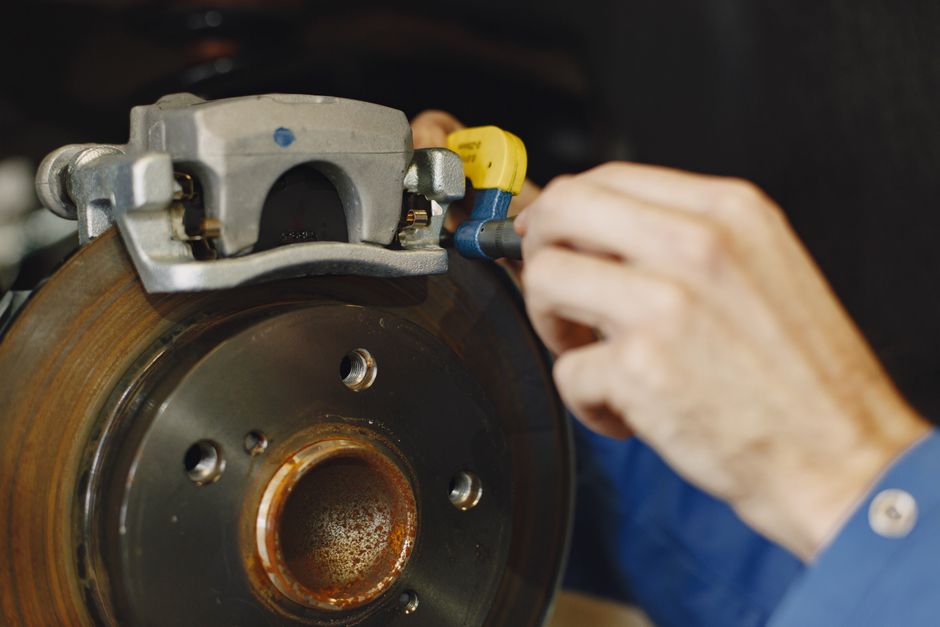
Brake pads and rotors wear over time, which can affect pedal feel. Measuring thickness and comparing to specifications can help determine if replacement is needed. Also, inspect brake hoses for cracks or bulges, which can weaken under pressure.
Maintenance and Repair Considerations
Proper maintenance is essential to prevent and address brake system failures. Establish a schedule for inspections, including checks of air pressure, fluid levels, and component wear. Following the manufacturer’s recommendations for lubrication and adjustments is important.
When repairs are needed, use quality parts and follow proper procedures. For air brakes, this may involve adjusting or replacing slack adjusters, replacing diaphragms, or repairing air lines. For hydraulic brakes, tasks may include bleeding the system, replacing master cylinders, or repairing leaks.
It is also important to consider the environmental and operational factors that affect brake wear. Frequent stop-and-go driving, heavy loads, and steep grades can accelerate wear. Drivers should be trained to recognize early signs of brake trouble and report them promptly.
In all cases, consulting with experienced technicians and following regulatory standards can enhance safety and reliability. Brake systems are complex, and professional judgment is crucial when diagnosing and repairing issues.
Conclusion
Understanding common brake system failures in heavy trucks is essential for maintaining safety and efficiency. By being familiar with the components and failure modes in air and hydraulic systems, operators can identify warning signs early and take corrective action. Systematic maintenance and repair processes help ensure that brake systems function reliably.
Regular inspections, proper diagnostic procedures, and adherence to manufacturer guidelines contribute to reducing unexpected failures. While this article provides an overview, always consult with qualified professionals when encountering brake issues. The information presented aims to support informed decision-making within the context of a comprehensive maintenance program.